Ready-Mix & Pumping
The Benefits of Using Ready-Mix Concrete in Your Next Project
When planning a new construction or landscaping project, one of the most important decisions you'll make is the type of concrete to use. While some may opt for…

Reliable concrete supply, pumping & specialty mixes for residential, commercial and infrastructure jobs across the region.
View Full Page
Premium pavers, slabs, walls, masonry materials and outdoor features — everything you need to build outdoor living spaces.
View Full Page
Engineered, plant-cast structural & site components built to spec, delivered on schedule for builders and contractors.
View Full Page
Concrete is one of the most widely used materials in construction, yet many people still have misconceptions about its properties, durability, and care. Whether you're a professional contractor, a DIY enthusiast, or simply curious about how concrete works, understanding these myths can help you make informed decisions and get the most out of your concrete structures. Let's debunk some of the most common myths about concrete.
Reality: While concrete is incredibly durable, it’s not invincible. Over time, exposure to weather, water, and other elements can wear down even the best-poured slabs. Concrete is designed to last, but regular maintenance is essential for preserving its longevity. This includes applying a quality sealer, repairing minor cracks, and keeping the surface clean.
Takeaway: Proper care and maintenance are crucial for extending the lifespan of concrete. Don't skip sealing and be sure to address any wear and tear promptly!
Reality: One of the biggest misconceptions is that cracks in concrete are a sign of poor quality or bad workmanship. The truth is, all concrete can crack, especially as it settles and adjusts to its environment. Small, hairline cracks are natural and can be managed with routine care. It’s when cracks are left unattended that they can worsen, allowing moisture to seep in and compromise the integrity of the structure.
Takeaway: Small cracks are normal and usually nothing to worry about. Just make sure you fill them in early to prevent bigger problems.
Reality: It’s easy to assume that the harder concrete is, the stronger it must be, but that's not always the case. Concrete needs the right balance of hardness and flexibility to handle the weight and environmental changes it will face over time. If concrete is made too hard, it can become brittle and more prone to cracking under pressure or shifting conditions.
Takeaway: When it comes to concrete, strength is about balance. Overly hard concrete can cause more harm than good.
Reality: Some believe concrete is low maintenance and doesn't require sealing. While it's true that concrete is resilient, it’s still a porous material. Without sealing, moisture can penetrate the surface, leading to cracking, scaling, or other types of damage over time.
Takeaway: Sealing is an essential part of maintaining concrete, especially in harsh weather climates.
By understanding the truth behind these myths, you'll be better equipped to care for and maintain concrete surfaces, whether it's for a small backyard project or a large commercial job. Concrete is tough, but like anything worth investing in, it requires proper care and attention to perform its best for years to come.
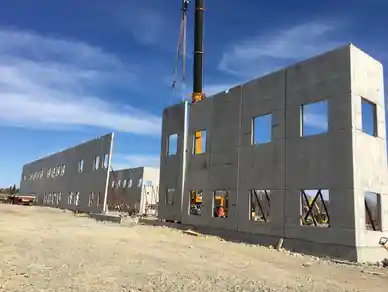
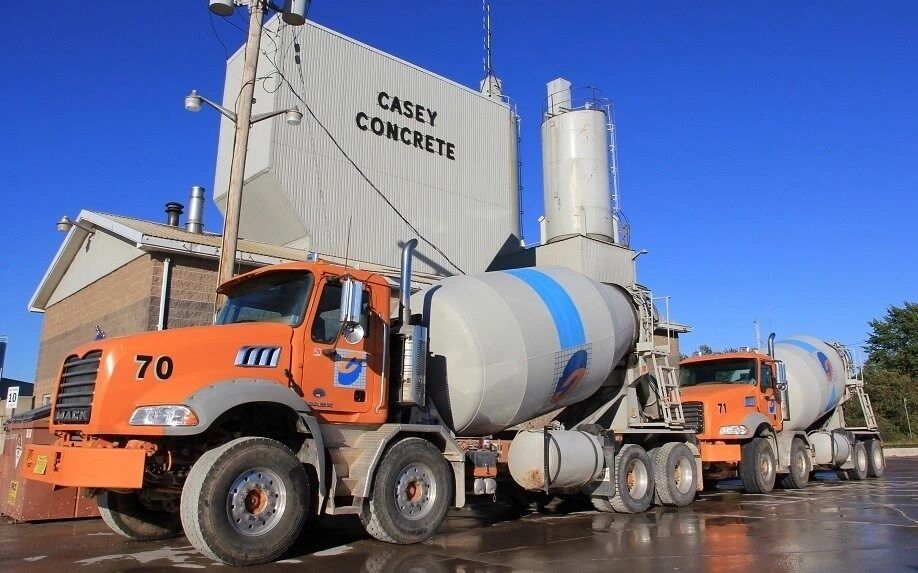
Experts in ready-mix, precast, and landscape solutions, serving Nova Scotia & New Brunswick since 1952.
When planning a new construction or landscaping project, one of the most important decisions you'll make is the type of concrete to use. While some may opt for…
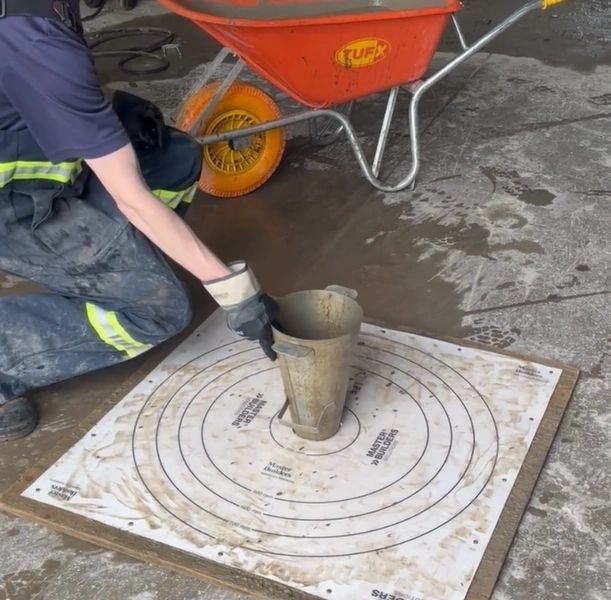
At Casey Concrete, we understand that concrete is more than just a building material — it’s the foundation for homes, schools, hospitals, roads, and cityscapes. That’s why quality…
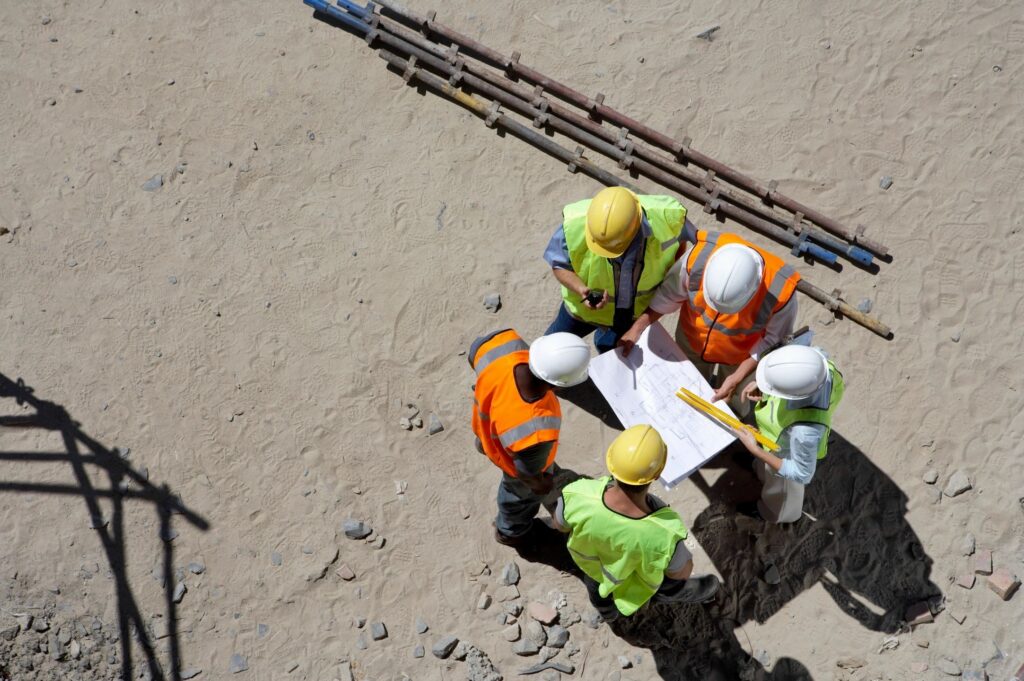
At Casey Concrete, we know that our commitment to quality extends beyond manufacturing concrete. Supporting our customers throughout their projects is just as important to us, and choosing…