Ready-Mix & Pumping
The Benefits of Using Ready-Mix Concrete in Your Next Project
When planning a new construction or landscaping project, one of the most important decisions you'll make is the type of concrete to use. While some may opt for…

Reliable concrete supply, pumping & specialty mixes for residential, commercial and infrastructure jobs across the region.
View Full Page
Premium pavers, slabs, walls, masonry materials and outdoor features — everything you need to build outdoor living spaces.
View Full Page
Engineered, plant-cast structural & site components built to spec, delivered on schedule for builders and contractors.
View Full Page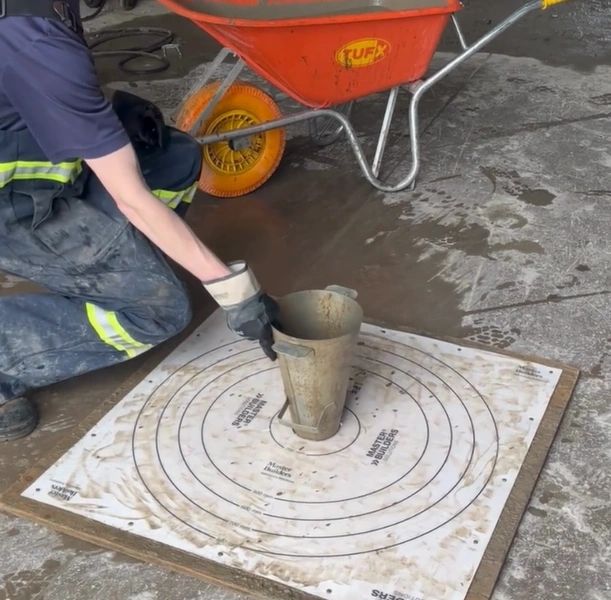
At Casey Concrete, we understand that concrete is more than just a building material — it’s the foundation for homes, schools, hospitals, roads, and cityscapes. That’s why quality assurance (QA) isn’t just a box we check; it’s a core part of our commitment to delivering safe, durable, and high-performing products across Atlantic Canada.
One of the most critical aspects of concrete production is testing — and not just at random. Every batch is carefully monitored through standardized tests to ensure it meets or exceeds project requirements. Among the most essential tests we rely on are the slump test, slump flow test, and compression test. Here’s why they matter.
Concrete is subject to countless variables — from mix design to environmental conditions during placement. Without quality assurance, inconsistencies can lead to cracking, scaling, or even structural failure over time.
QA ensures:
For contractors, engineers, and DIY homeowners alike, QA testing reduces the risk of costly rework and delays — and strengthens the trust in every cubic meter we deliver.
The slump test is a classic in the industry — and for good reason. It quickly tells us how workable (or fluid) a batch of concrete is. In this test, we fill a cone-shaped mold with fresh concrete, lift it, and measure how much the concrete “slumps” or settles.
Why it matters:
At Casey Concrete, we use this test during production and delivery to ensure every load maintains consistent workability — so our contractors get concrete they can trust.
For advanced projects using Self-Consolidating Concrete (SCC) — often found in commercial and infrastructure work — we turn to the slump flow test. This variation doesn’t measure vertical slump, but rather the spread of concrete once the mold is lifted.
Why it matters:
This is essential for large pours or intricate formwork. Slump flow testing helps us ensure SCC meets its unique performance expectations — making it a go-to for high-end structural and architectural jobs.
While workability is critical during placement, strength is the long-term benchmark of performance. The compression test measures how much pressure a cured concrete cylinder can withstand — typically at 7, 14, and 28 days after pouring.
Why it matters:
At Casey Concrete, we use certified labs and strict protocols to conduct compression testing. Our goal is to ensure the material you build with today still stands strong decades from now.
These tests are more than routine — they are part of our “Casey Quality Assurance Framework”, which includes:
Whether you’re laying a driveway in Dartmouth or managing a highway bridge in Moncton, you can count on Casey Concrete to deliver mix designs that have been tested, verified, and proven.
Concrete performance is no accident — it’s a science backed by rigorous testing and a culture of quality. At Casey Concrete, we invest in these processes so that you can build with confidence, project after project.
Have questions about our testing procedures or how we can tailor a mix to your next job? Reach out today — we’re here to help you build the best, the Casey way.
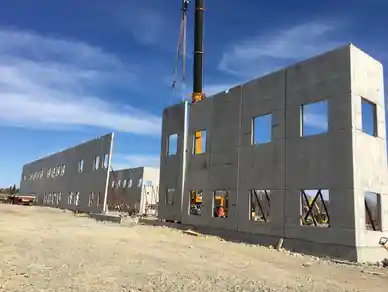
Experts in ready-mix, precast, and landscape solutions, serving Nova Scotia & New Brunswick since 1952.
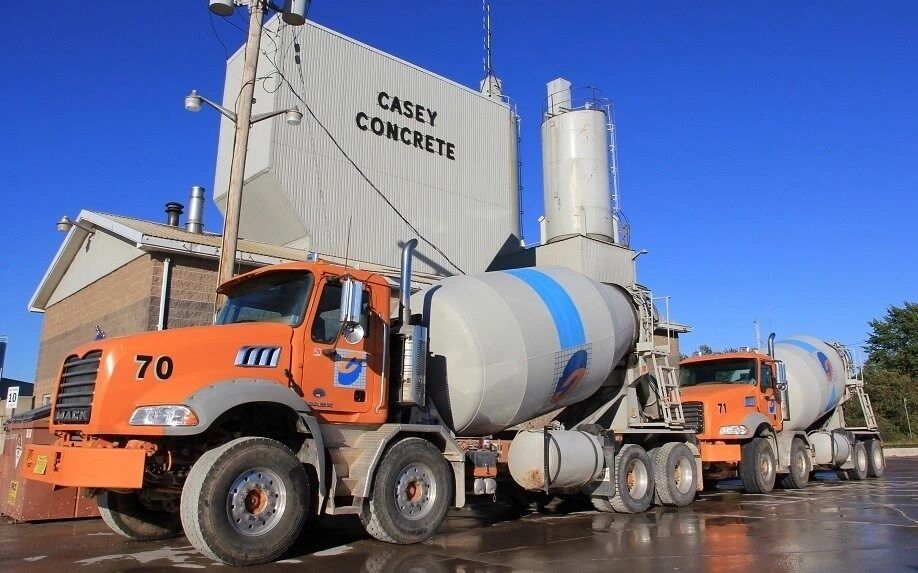
When planning a new construction or landscaping project, one of the most important decisions you'll make is the type of concrete to use. While some may opt for…
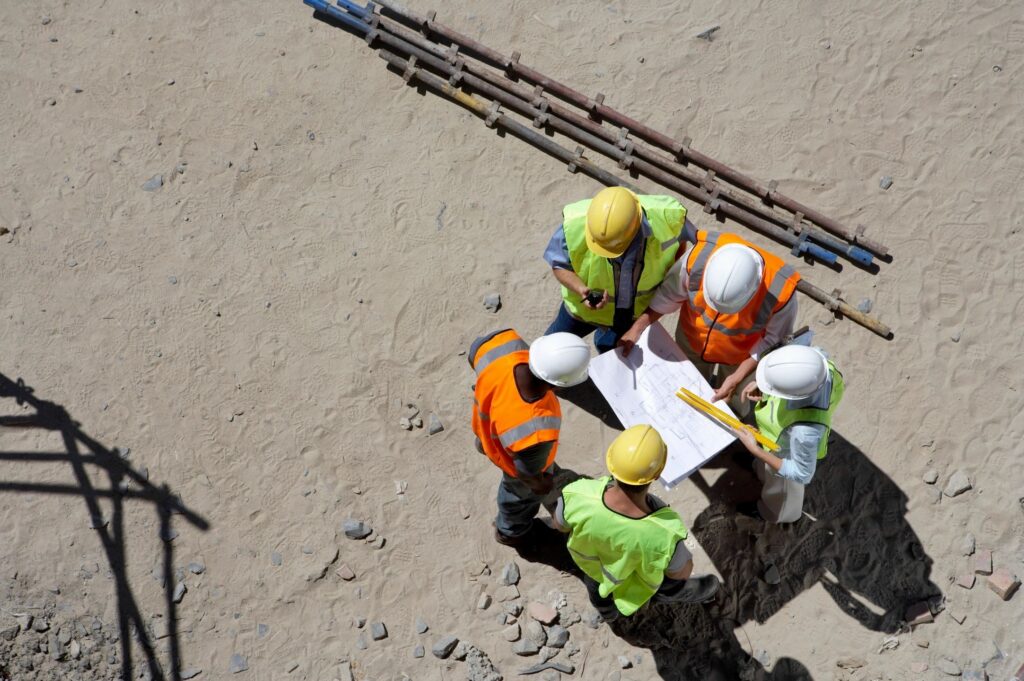
At Casey Concrete, we know that our commitment to quality extends beyond manufacturing concrete. Supporting our customers throughout their projects is just as important to us, and choosing…

Proper timing and curing may seem straightforward, but they are critical factors in the success of any concrete project. At Casey Concrete, we emphasize this step because it…